
Planning · 11 July 2026 · 6 min read
What to Pack for Ski Touring in Georgia: The Complete Guide
The Caucasus runs colder and wilder than the Alps. Here is the exact kit list we hand every guest, and what you can safely leave at home.
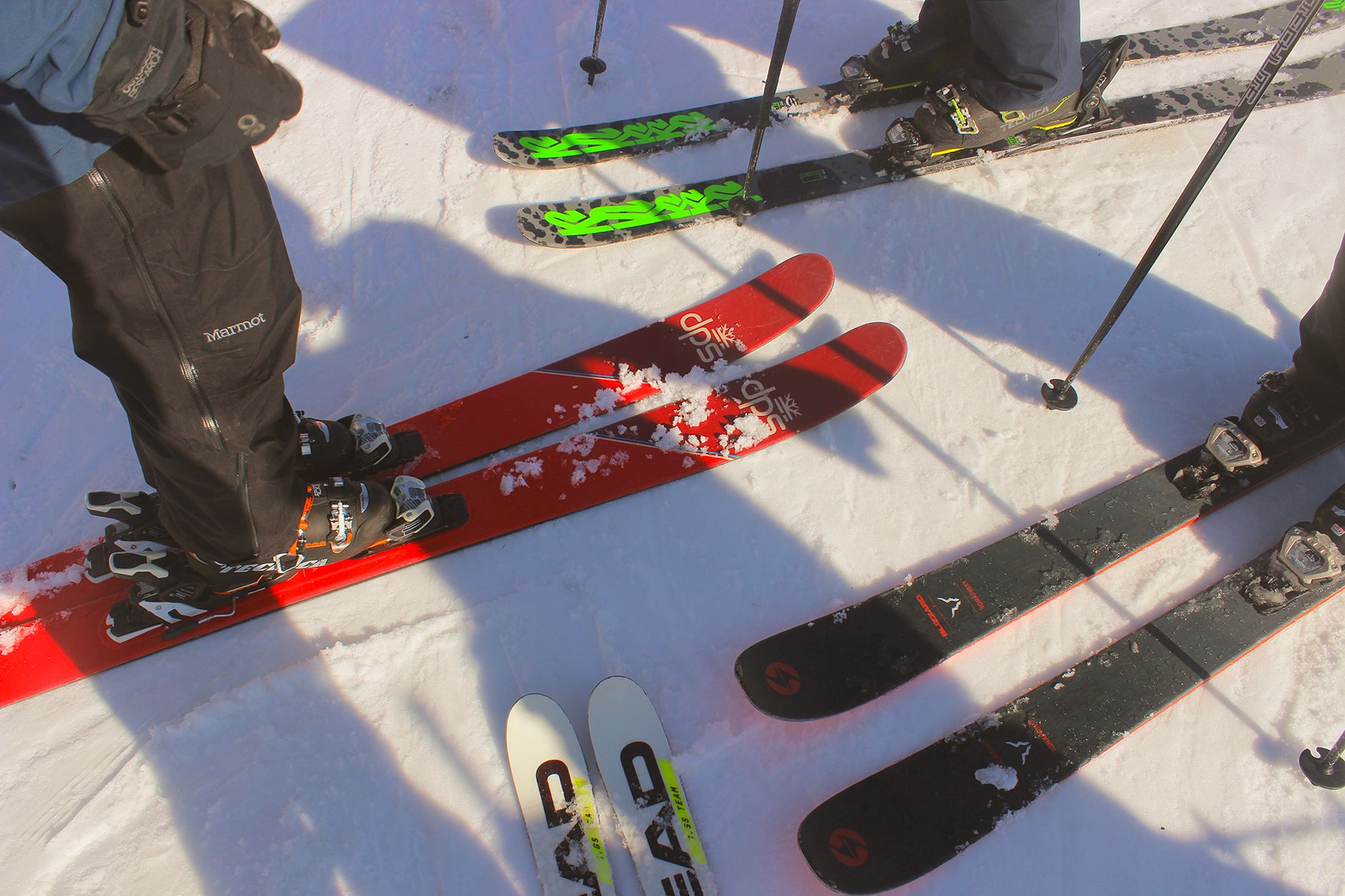
Everything You Need (and Nothing You Don't) for Backcountry Days in the Caucasus
Packing for a ski touring trip is a balancing act. Bring too much, and your back will hate you on every uphill. Bring too little, and you'll be cold, wet, or worse — unprepared in terrain where consequences are real.
Georgia's backcountry adds its own variables: altitude up to 4,000+ meters, weather that can shift in minutes, multi-day hut stays, and remote valleys where there's no gear shop around the corner.
This guide covers everything you need for a ski touring trip in Georgia — whether you're heading to Kazbegi, Gudauri, or deep into Svaneti.
The Big Three: Skis, Boots, Bindings
Touring Skis
You need skis designed for uphill travel. That means:
- Width: 85–105 mm underfoot is the sweet spot for Georgia. Narrow enough to skin efficiently, wide enough to handle variable snow.
- Weight: Lighter is better for climbing, but don't go ultralight if you're a strong skier — you'll want some stability on the descent.
- Length: Generally your height or slightly shorter. Personal preference applies.
Georgia-specific note: Snow conditions here range from deep powder above 2,500 m to wind-packed ridgelines and occasional wet spring snow lower down. A versatile all-mountain touring ski handles it all.
Touring Boots
This is the single most important piece of gear you'll own. A bad boot will ruin your trip faster than anything else.
- Must have a walk mode with good range of motion
- Tech-compatible (pin bindings)
- Comfortable for 4–6 hours of uphill travel
- Stiff enough to ski confidently on the descent
Pro tip: Break your boots in before the trip. New boots on Day 1 of a multi-day tour is a recipe for suffering.
Bindings
Tech (pin) bindings are the standard for ski touring. They're lighter than frame bindings and offer a more natural stride.
Make sure your bindings are compatible with your boots. If you're renting, confirm this in advance.
Skins & Poles
Climbing Skins
- Must match your ski width and length
- Check glue condition before the trip — old, dry skins will peel off mid-climb
- Bring a skin repair kit (small strip of tape or a spare tip connector)
Poles
- Adjustable length is ideal (shorter for climbing, longer for descending)
- Carbon is lighter; aluminum is more durable
- Powder baskets are recommended for soft snow days
Avalanche Safety Gear (Non-Negotiable)
This is not optional. Not in Georgia. Not anywhere.
ItemPurposeTransceiver (beacon) | Locates buried skiers
Probe | Pinpoints exact burial location
Shovel | Digs them out
What to look for:
- Transceiver: 3-antenna digital model. Check battery before every outing.
- Probe: 240 cm minimum. Carbon is lighter, aluminum is tougher.
- Shovel: Metal blade (plastic breaks in compacted snow). Compact enough to fit in your pack.
Practice matters: Having the gear is useless if you don't know how to use it. Run beacon drills before your trip. Your guide will likely do a refresher on Day 1, but don't rely on that alone.
Clothing: The Layering System
Georgia's backcountry demands a proper layering approach. Temperatures can swing from -15°C on an exposed ridge to +10°C in a sheltered valley on the same day.
Base Layer (Next to Skin)
- Merino wool or synthetic (never cotton)
- Top and bottom
- One set is enough for most trips; bring a spare if you're doing multi-day hut-to-hut
- Weight: midweight for most conditions
Mid Layer (Insulation)
- Fleece jacket or lightweight synthetic/down insulated layer
- This is your "rest stop" layer — you'll put it on during breaks and at the hut
- A lightweight down jacket (packable) is ideal for summit stops and evenings
Shell Layer (Wind & Waterproof Protection)
- Hardshell jacket: Gore-Tex or equivalent. Must be waterproof, windproof, and breathable.
- Hardshell pants: Full side zips are a lifesaver for putting them over boots.
- This is your armor against wind, snow, and precipitation.
Softshell / Touring Pants
- For the actual skinning, most people prefer softshell touring pants (breathable, stretchy, water-resistant)
- Switch to hardshell if conditions turn nasty
Base Layer for Sleeping
- Clean, dry set reserved for the hut/hotel
- Your back will thank you
Head, Hands & Face
ItemNotesBeanie / buff | For breaks, hut evenings, and cold descents
Sun hat or cap | Georgia's sun at altitude is aggressive
Ski goggles | Low-vis lens + a spare bright lens for flat light
Sunglasses | Category 3 or 4. Glacier glasses with side shields are ideal
Gloves (light) | For skinning — breathable, wind-resistant
Gloves/mittens (warm) | For descents and breaks — insulated, waterproof
Neck gaiter / balaclava | Wind protection on exposed ridges
Pro tip: Bring two pairs of gloves. One will get wet. Guaranteed.
Backpack
Size: 35–40 liters
This is the sweet spot for day tours and multi-day hut trips in Georgia. Big enough for layers, safety gear, food, and water. Small enough to not weigh you down on the climb.
Must-have features:
- Ski carry system (A-frame or diagonal)
- Dedicated avalanche tool compartment
- Hip belt (non-negotiable for load carrying)
- Hydration compatible (or at least room for bottles)
- Ice axe attachment (if your route requires it)
What goes inside:
- Avalanche kit (beacon on body, probe + shovel in pack)
- Extra layers (mid layer, spare gloves)
- Water (2L minimum)
- Food / snacks
- Sunscreen + lip balm
- First aid basics
- Headlamp
- Phone + power bank
- Map / GPS device (if guide doesn't provide)
Footwear (Off-Ski)
You'll need something for the hut, the village, and travel days.
- Lightweight approach shoes or warm boots
- Hut slippers or sandals (your feet will crave this after 6 hours in ski boots)
- Warm socks (merino wool, 3–4 pairs minimum)
Personal & Miscellaneous
ItemWhySunscreen SPF 50 | Altitude + snow reflection = brutal UV exposure
Lip balm with SPF | Cracked lips are miserable at altitude
Headlamp | Hut life, early starts, emergencies
Power bank | Charging opportunities at huts are limited
Water bottles / hydration bladder | 2L minimum capacity
Snacks | Energy bars, nuts, dried fruit, chocolate
Basic first aid kit | Blister tape, painkillers, personal medications
Toiletries | Keep it minimal. Wet wipes are your friend at the hut
Sleeping bag liner | For hut stays — adds warmth and hygiene
Earplugs | Shared hut rooms can be noisy
Cash (Georgian Lari) | Small villages don't always accept cards
Passport | Required. Some routes are near border zones
What NOT to Bring
- Cotton anything. It holds moisture, dries slowly, and makes you cold.
- Too many clothes. You'll wear the same layers daily. One spare base layer is enough.
- Heavy resort gear. Leave the insulated bibs and bulky jackets at home. Touring demands breathability.
- Bluetooth speakers. The mountains have their own soundtrack.
- Expectations of Wi-Fi. Embrace the silence.
Packing for Hut Stays vs. Hotel-Based Tours
Hotel-based (e.g., Gudauri program):
You return to the same hotel each night. You can leave non-essentials in your room. Pack lighter for daily tours.
Hut-based (e.g., Kazbegi or Svaneti programs):
You're carrying everything you need for 1–2 nights. Add:
- Sleeping bag liner
- Extra base layer
- Toiletries
- Hut footwear
- Any personal comfort items (book, cards, journal)
Equipment Rental in Georgia
If you don't own touring gear, rental is available. However:
- Availability is limited — book in advance
- Boot sizing can be tricky — communicate your size early
- Safety gear is usually included with rental packages, but confirm
- Quality varies — ask about the age and condition of equipment
If you're flying in with your own gear, most airlines accept ski bags as checked luggage. Check your airline's specific policy and consider a padded ski bag with wheels.
Final Checklist
Before you zip your bag, run through this:
- Touring skis + bindings + skins
- Touring boots
- Poles
- Avalanche beacon, probe, shovel
- Backpack (35–40L)
- Base layers (top + bottom)
- Mid layer (fleece or light insulated)
- Hardshell jacket + pants
- Softshell touring pants
- Goggles + sunglasses
- Two pairs of gloves
- Beanie + neck gaiter
- Socks (3–4 pairs merino)
- Sunscreen + lip balm
- Water bottles / hydration (2L)
- Snacks
- Headlamp
- Phone + power bank
- First aid basics
- Sleeping bag liner (if hut stay)
- Hut footwear
- Passport + cash
- Travel insurance documents
One Last Thing
The mountains of Georgia don't care about your brand names or your budget. They care about whether you're prepared, whether you're paying attention, and whether you respect the conditions.
Pack smart. Pack light. Pack with purpose.
And then go enjoy some of the best ski touring on the planet.